We take a look at what different color temperature means, and what each one is suited for…
When it comes to choosing your perfect driving lights, all the numbers and figures can seem a little confusing! When deciding on the color temperature of your lights, it’s important to get the best light to suit your environment and where you will do most of your diving. While it can seem complicated, here we look into the different color temperatures and explain the difference, to help you get the right light for you…
When we talk about color temperature, it doesn’t come down to power – it’s all about the Kelvin (or K) number. This number refers to where the color of the light sits on the visible light spectrum, also known as the color temperature. The ‘sweet spot’ on this scale is in the 4000K – 5700K region – any lower and the light color becomes too orange or red, any higher and the light becomes too ‘blue’ and these darker colors are inefficient at illuminating the way ahead.

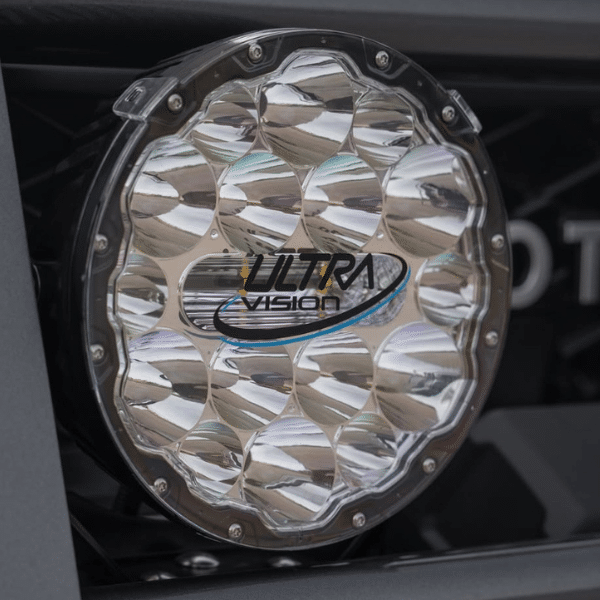
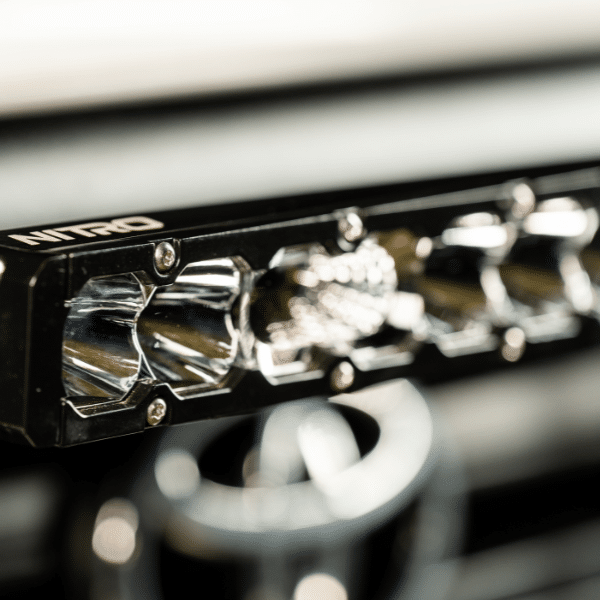
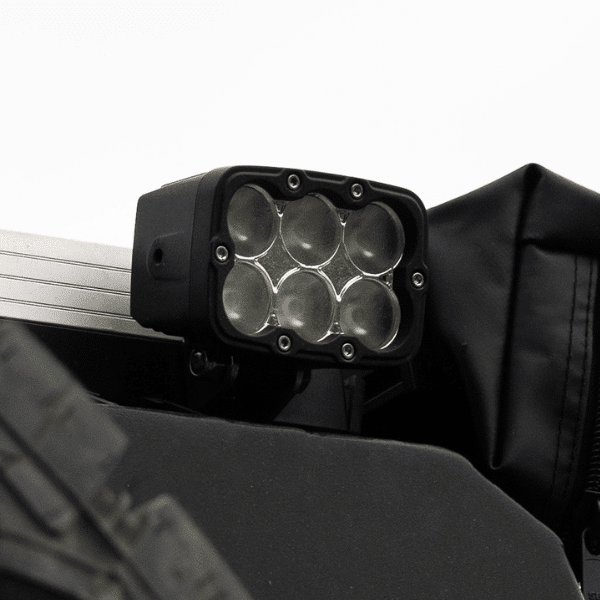
Here at Ultra-Vision, we offer two different light temperatures – 4000K and 5700K. Our 4000K lights produce a warmer white colour, compared to the more brilliant white of the 5700K – take a look at the images below to see the difference in the color or ‘temperature’ of the light…
There are many different reasons why one color might work better for you and your driving conditions.

4500K lights provide a warmer light that will give you less glare from road signs and can actually be better for driving in areas where poor weather conditions are frequent such as fog and rain, as the warmer color means there is less reflection back into your eyes. For snowy areas, the 4000K lights may be preferable, as the color won’t combine with the white snow to distract and blind you as you’re driving.
5700K lights produce a whiter light, which are perfect for if your drive is mainly going to be in wide open spaces or on long roads and areas were light reflection isn’t going to be an issue, as the whiter color helps with more defined distance penetration, and can also pick out more details around the edges of the beam in open areas.
So overall, the choice of which color temperature to get will be down to what you are going to be using them for. Those who love getting off the beaten track and away from it all, or are hitting the more remote trails, may find the 5700K option could work best for guiding you on your way. If you drive your vehicle more in built up areas, in a place where there is more traffic or need versatility in town and remote places, the 4500K might suit your style better.